Blog & News
- Home
- Blog
Reading Time: 4 mins
Warehouse Security: How to Protect Inventory and Reduce Theft
Warehouses play a critical role in modern supply chains. They store valuable inventory, equipment, and products that keep businesses operating efficiently. However, warehouses are also attractive targets for criminals due to the high value of goods often stored on-site.
A single theft incident can lead to financial losses, delayed deliveries, damaged customer relationships, and increased insurance costs.
The good news is that many security risks can be reduced through proper planning and professional security measures.
In this guide, we’ll explore how businesses can improve warehouse security, protect inventory, and reduce theft.
Why Warehouse Security Is So Important
Warehouses often contain:
- High-value stock
- Electronic equipment
- Raw materials
- Machinery
- Vehicles
- Confidential shipping information
Unlike retail stores or offices, warehouses frequently operate across large sites with multiple access points, making security more challenging.
Without effective protection, businesses may face:
- Inventory theft
- Internal theft
- Vandalism
- Trespassing
- Property damage
- Operational disruptions
Investing in warehouse security helps minimise these risks and supports business continuity.
Common Warehouse Security Threats
Understanding potential risks is the first step toward prevention.
External Theft
Criminals may target warehouses for valuable inventory that can be quickly resold.
Internal Theft
Unfortunately, employee theft can sometimes account for a significant percentage of inventory losses.
Unauthorised Access
Poor access controls may allow visitors or unauthorised individuals to enter restricted areas.
Vandalism
Damage to buildings, vehicles, and equipment can result in costly repairs and downtime.
Cargo Theft
Goods may be targeted while being loaded, unloaded, or stored temporarily.
Implement Strong Access Control
One of the most effective warehouse security measures is controlling who can enter the site.
Access control systems can:
- Restrict entry to authorised personnel
- Track employee movement
- Manage visitor access
- Reduce security risks
Businesses should consider using:
- Access cards
- PIN systems
- Visitor management procedures
- Secure entry gates
The fewer people who have unrestricted access, the lower the risk of security incidents.
Hire Professional Warehouse Security Guards
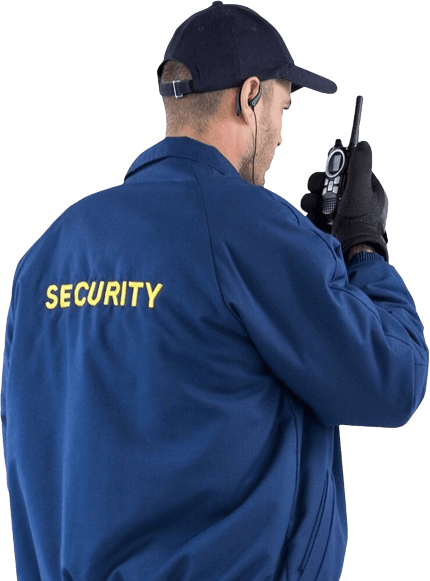
Security guards remain one of the most effective deterrents against theft.
Warehouse security officers can:
- Monitor entrances and exits
- Conduct patrols
- Verify visitors
- Respond to incidents
- Enforce site procedures
A visible security presence often discourages criminals from targeting a property in the first place.
Guards also provide immediate response capabilities that technology alone cannot offer.
Use CCTV for Comprehensive Monitoring
Modern CCTV systems help warehouse operators monitor large areas efficiently.
Cameras should cover:
- Loading bays
- Storage areas
- Perimeter fencing
- Entry and exit points
- Vehicle access routes
CCTV provides valuable evidence if an incident occurs while also acting as a deterrent.
For maximum effectiveness, surveillance systems should be regularly maintained and reviewed.
Secure the Warehouse Perimeter
Your perimeter serves as the first line of defence.
Effective perimeter security may include:
- Security fencing
- Locked gates
- Anti-climb barriers
- Motion-activated lighting
- Warning signs
A strong perimeter reduces opportunities for unauthorised access and increases the effort required for criminal activity.
Improve Lighting Around the Facility
Poorly lit areas create opportunities for theft and trespassing.
Proper lighting helps:
- Improve visibility
- Support CCTV performance
- Deter criminals
- Increase employee safety
Focus on areas such as:
- Car parks
- Loading bays
- Access points
- Storage yards
Well-lit facilities are generally less attractive targets.
Conduct Regular Security Patrols
Regular patrols help identify vulnerabilities before they become serious problems.
Security patrols can detect:
- Damaged fencing
- Open doors
- Suspicious activity
- Safety hazards
- Unauthorised vehicles
Random patrol schedules can be particularly effective because they make security movements difficult to predict.
Protect Loading and Unloading Areas
Loading bays are often among the busiest parts of a warehouse and can present significant security risks.
Best practices include:
- Monitoring vehicle movements
- Verifying delivery documentation
- Restricting access to authorised personnel
- Using CCTV coverage
These measures help reduce the risk of inventory loss during transit operations.
Reduce Internal Theft Risks
Not all theft originates from outside the business.
To reduce internal risks:
- Limit access to sensitive areas
- Conduct inventory audits
- Maintain clear procedures
- Monitor stock movement
- Encourage incident reporting
Creating a culture of accountability can significantly reduce opportunities for internal theft.
Train Employees on Security Awareness
Employees are an important part of warehouse security.
Training should cover:
- Access procedures
- Visitor management
- Incident reporting
- Security responsibilities
Staff who understand security expectations are more likely to identify and report suspicious activity.
Create a Layered Security Strategy
The most secure warehouses combine multiple security measures.
A layered approach may include:
Physical Security
Fencing, locks, gates, and barriers.
Security Personnel
Professional guards and mobile patrols.
Technology
CCTV, alarms, and access control systems.
Employee Awareness
Staff training and security procedures.
Together, these measures provide stronger protection than any single solution alone.
Conclusion
Warehouse security is about more than preventing theft. It protects inventory, supports operations, improves employee safety, and helps businesses maintain customer trust.
By combining professional security guards, access control systems, CCTV monitoring, and strong security procedures, warehouse operators can significantly reduce risks and create a safer working environment.
As supply chains become increasingly valuable, investing in warehouse security is one of the smartest decisions a business can make.
About Us
FAQ
1. Why is warehouse security important?
2. What are the biggest warehouse security risks?
3. Do warehouses need security guards?
4. How can businesses reduce warehouse theft?
Looking for a Reliable Security Company in London?
Choose PARAGON GUARDING UK Ltd for professional security services, SIA licensed security guards, and trusted security guarding solutions across London and the UK. Our experienced team provides dependable protection for businesses, construction sites, retail stores, and corporate environments.
Get in touch today to secure your business with expert security services.