Blog & News
- Home
- Blog
Reading Time: 4 mins
Event Security Planning: A Complete Guide for Organisers
Whether you’re organising a corporate conference, music festival, sporting event, exhibition, charity fundraiser, or private function, security should be a key part of your planning process.
A successful event is not only enjoyable and well-organised—it is also safe for attendees, staff, contractors, and performers. Poor security planning can result in accidents, disruptions, property damage, reputational harm, and even legal consequences.
This guide explains the essential elements of event security planning and how organisers can create safer and more successful events.
Why Event Security Is Important
Events bring together large groups of people, often in unfamiliar environments.
This creates a variety of security challenges, including:
- Crowd management
- Unauthorised access
- Theft
- Anti-social behaviour
- Medical emergencies
- Public safety concerns
A comprehensive event security plan helps reduce risks and ensures organisers are prepared to respond effectively if incidents occur.
Start with an Event Risk Assessment
Every event should begin with a detailed security risk assessment.
This process helps identify:
- Potential threats
- Vulnerable areas
- Safety concerns
- Operational risks
Factors to consider include:
- Event size
- Location
- Expected attendance
- Type of audience
- Duration of the event
- Alcohol availability
- VIP attendance
Understanding the risks allows organisers to implement appropriate security measures before problems arise.
Assess the Venue
The venue plays a significant role in event security planning.
Security teams should evaluate:
- Entry and exit points
- Emergency evacuation routes
- Parking facilities
- Perimeter security
- Restricted areas
- Lighting conditions
A thorough site assessment helps identify vulnerabilities and improve overall safety.
Control Access to the Event
Access control is one of the most important aspects of event security.
Without proper controls, unauthorised individuals may gain entry, creating safety and operational risks.
Common access control measures include:
- Ticket verification
- Wristbands
- Accreditation passes
- Security checkpoints
- Bag inspections
Restricting access helps organisers maintain control of the event environment.
Use Professional Event Security Guards
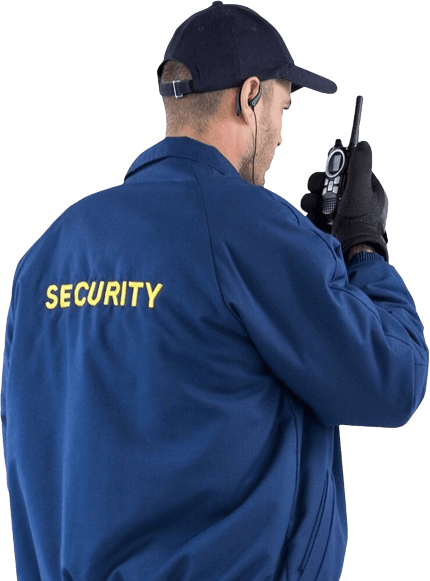
Security guards play a vital role in maintaining order and ensuring public safety.
Event security officers may be responsible for:
- Monitoring entrances
- Managing queues
- Checking credentials
- Conducting patrols
- Responding to incidents
- Supporting emergency procedures
Their presence often deters disruptive behaviour while reassuring attendees.
Plan for Crowd Management
Large crowds can create significant safety challenges if not properly managed.
Effective crowd management strategies include:
- Clear signage
- Designated walkways
- Barrier systems
- Queue management
- Controlled entry and exit points
Good crowd management reduces congestion and helps prevent accidents.
Protect VIPs and Restricted Areas
Some events involve VIP guests, performers, speakers, or sensitive operational areas.
Additional security measures may be required to protect:
- Backstage areas
- Control rooms
- Speaker lounges
- Equipment storage areas
- Hospitality zones
Access should be limited to authorised personnel only.
Prepare for Medical Emergencies
Medical incidents can occur at any event regardless of size.
Organisers should ensure:
- First-aid resources are available
- Emergency services can access the venue
- Staff know reporting procedures
- Emergency contact information is readily available
Preparedness can significantly improve response times during emergencies.
Implement CCTV and Surveillance
CCTV systems can support event security by providing real-time monitoring of key areas.
Common surveillance locations include:
- Entrances
- Exits
- Main event spaces
- Car parks
- Restricted zones
Surveillance helps identify issues quickly and provides valuable evidence if incidents occur.
Develop an Emergency Response Plan
A well-prepared event should have documented procedures for responding to emergencies.
Plans should cover:
Fire Incidents
Evacuation routes and assembly points.
Medical Emergencies
First-aid response and emergency service coordination.
Security Threats
Suspicious behaviour, unauthorised access, or public safety concerns.
Severe Weather
Procedures for outdoor events affected by adverse conditions.
Staff should be familiar with all emergency protocols before the event begins.
Secure Event Equipment and Assets
Events often involve expensive equipment such as:
- Audio systems
- Lighting equipment
- Staging structures
- Computers
- Broadcasting equipment
Protecting these assets helps prevent financial losses and operational disruptions.
Security personnel can monitor storage areas and restrict access where necessary.
Communication Is Critical
Effective communication helps security teams respond quickly to changing situations.
Organisers should ensure:
- Security staff have reliable communication devices
- Reporting procedures are clearly defined
- Key personnel can be contacted easily
- Emergency information is distributed appropriately
Good communication improves coordination and incident management.
The Benefits of Professional Event Security
Professional security services offer several advantages, including:
- Improved crowd management
- Reduced security risks
- Enhanced public safety
- Faster incident response
- Better protection for assets and personnel
Professional planning helps organisers focus on delivering a successful event while security experts manage safety concerns.
Conclusion
Event security is a critical component of successful event planning. By conducting risk assessments, managing access, preparing for emergencies, and employing professional security personnel, organisers can create safer environments for attendees and staff.
Security should never be an afterthought. The most successful events are those where safety, planning, and preparation work together to deliver a positive experience for everyone involved.
Investing in professional event security helps protect people, property, and the reputation of your event.
About Us
FAQ
1. Why is event security important?
2. What does an event security guard do?
3. How many security guards does an event need?
4. What should be included in an event security plan?
Looking for a Reliable Security Company in London?
Choose PARAGON GUARDING UK Ltd for professional security services, SIA licensed security guards, and trusted security guarding solutions across London and the UK. Our experienced team provides dependable protection for businesses, construction sites, retail stores, and corporate environments.
Get in touch today to secure your business with expert security services.