Blog & News
- Home
- Blog
Reading Time: 4 mins
Healthcare Security: Protecting Hospitals, Clinics, Patients, and Staff
Healthcare facilities operate around the clock, serving patients, visitors, and medical professionals in often challenging and high-pressure environments. From hospitals and private clinics to medical centres and care facilities, maintaining security is essential for ensuring safety, protecting assets, and supporting uninterrupted healthcare services.
Healthcare environments face unique security challenges that require a combination of trained personnel, effective procedures, and modern security technology.
In this guide, we’ll explore the importance of healthcare security and the best strategies for protecting patients, staff, and visitors.
Why Healthcare Security Is Important
Healthcare facilities are responsible for protecting:
- Patients
- Medical staff
- Visitors
- Sensitive information
- Medical equipment
- Pharmaceuticals
Unlike many workplaces, hospitals and clinics are open to the public, making access control and security management particularly important.
Strong healthcare security helps maintain a safe environment while allowing medical professionals to focus on patient care.
Common Security Challenges in Healthcare Facilities
Unauthorised Access
Hospitals often have multiple entrances and high visitor volumes, making it difficult to control who enters certain areas.
Aggressive Behaviour
Healthcare staff may occasionally encounter distressed, emotional, or aggressive individuals.
Theft
Medical facilities contain valuable assets such as:
- Medical equipment
- Prescription medications
- Electronic devices
- Patient property
Data Protection Risks
Healthcare organisations handle highly sensitive patient information that must remain secure.
Emergency Situations
Hospitals must be prepared to respond quickly to incidents that may affect patients, staff, or operations.
Protecting Patients and Visitors
Patient safety is the primary concern in any healthcare environment.
Security measures help:
- Prevent unauthorised access to patient areas
- Manage visitor movement
- Protect vulnerable individuals
- Support safeguarding procedures
Maintaining a secure environment contributes to better patient experiences and outcomes.
The Role of Healthcare Security Guards
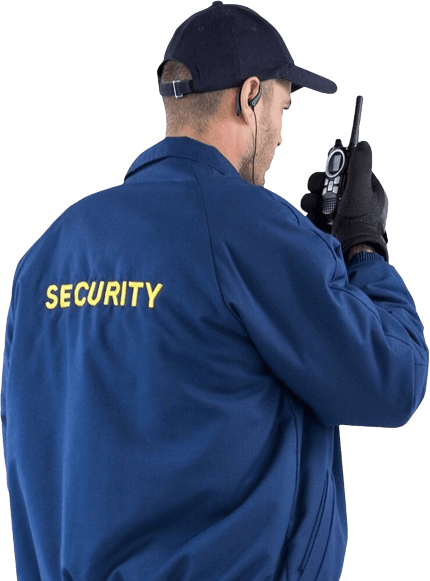
Professional healthcare security officers provide a visible and reassuring presence throughout medical facilities.
Their responsibilities may include:
- Monitoring entrances and exits
- Managing visitor access
- Conducting patrols
- Responding to incidents
- Assisting during emergencies
- Supporting staff in difficult situations
Security officers often serve as the first point of response when security concerns arise.
Access Control for Sensitive Areas
Not all areas within a healthcare facility should be accessible to everyone.
Restricted access is often required for:
- Operating theatres
- Pharmacy departments
- Records rooms
- Laboratories
- Staff-only areas
Access control systems help ensure that only authorised individuals can enter these locations.
CCTV Surveillance Systems
CCTV plays a vital role in healthcare security.
Surveillance systems can help monitor:
- Entrances and exits
- Reception areas
- Car parks
- Waiting rooms
- Corridors
- Restricted zones
Cameras provide valuable evidence when incidents occur and help improve overall situational awareness.
Protecting Healthcare Staff
Medical professionals often work in demanding environments where tensions can occasionally run high.
Healthcare security helps protect staff from:
- Verbal abuse
- Physical aggression
- Harassment
- Unauthorised individuals
A secure workplace contributes to employee wellbeing and job satisfaction.
Securing Medical Equipment and Assets
Hospitals and clinics invest heavily in specialist equipment.
Security measures should help protect:
- Diagnostic devices
- Medical instruments
- Computers and IT systems
- Pharmaceuticals
- Clinical supplies
Asset protection reduces financial losses and helps ensure continuity of care.
Managing Visitors Effectively
Healthcare facilities frequently receive large numbers of visitors.
Visitor management procedures may include:
- Sign-in systems
- Identification checks
- Visitor badges
- Restricted visiting hours
These measures improve accountability while supporting patient safety.
Emergency Response and Incident Management
Healthcare facilities must be prepared for a wide range of emergencies.
Security teams often assist with:
Medical Emergencies
Supporting staff and coordinating access when required.
Fire Evacuations
Helping patients, visitors, and staff evacuate safely.
Security Incidents
Responding to disturbances, unauthorised access, or suspicious activity.
Preparedness is essential for maintaining safety during critical situations.
Security for Healthcare Car Parks
Hospital and clinic car parks can present additional security challenges.
Common concerns include:
- Vehicle theft
- Vandalism
- Personal safety risks
- Unauthorised parking
Security patrols, CCTV coverage, and good lighting can significantly improve safety in these areas.
The Benefits of a Layered Security Strategy
The most effective healthcare security plans use multiple layers of protection.
Physical Security
Locks, barriers, fencing, and secure entrances.
Security Personnel
Professional healthcare security guards and patrol officers.
Technology
CCTV systems, alarms, and access control solutions.
Procedures
Visitor management, emergency planning, and staff training.
Combining these measures creates a stronger and more resilient security framework.
Benefits of Effective Healthcare Security
Strong security measures help healthcare facilities:
- Protect patients and staff
- Reduce security incidents
- Safeguard valuable assets
- Improve visitor confidence
- Support regulatory compliance
- Maintain uninterrupted healthcare services
Security plays a critical role in supporting both safety and operational efficiency.
Conclusion
Healthcare security is essential for protecting patients, staff, visitors, and valuable medical resources. As healthcare facilities continue to face evolving security challenges, organisations must adopt proactive measures that combine personnel, technology, and effective procedures.
By investing in professional security services, access control systems, surveillance technology, and emergency preparedness, healthcare providers can create safer environments that support quality patient care.
A secure healthcare facility is better equipped to deliver the services that communities depend on every day.
About Us
FAQ
1. Why is healthcare security important?
2. What do healthcare security guards do?
3.How can hospitals improve security?
4. What are the biggest security risks in healthcare facilities?
Looking for a Reliable Security Company in London?
Choose PARAGON GUARDING UK Ltd for professional security services, SIA licensed security guards, and trusted security guarding solutions across London and the UK. Our experienced team provides dependable protection for businesses, construction sites, retail stores, and corporate environments.
Get in touch today to secure your business with expert security services.