Blog & News
- Home
- Blog
Reading Time: 4 mins
Office Security Best Practices: How to Keep Employees, Data, and Assets Safe
Modern offices face a wide range of security challenges. While many business owners focus on cybersecurity, physical security remains just as important. Unauthorised access, theft, vandalism, workplace incidents, and confidential information breaches can all have serious consequences for businesses.
Whether you operate a small office or a large corporate headquarters, implementing effective office security measures helps protect employees, secure valuable assets, and maintain business continuity.
In this guide, we’ll explore the best office security practices and explain how businesses can create a safer and more secure working environment.
Vacant properties are often viewed as easy targets by criminals. Whether a building is awaiting sale, undergoing renovation, between tenants, or temporarily closed, an unoccupied property can quickly attract unwanted attention.
Without proper security measures, vacant buildings face increased risks from theft, vandalism, trespassing, fly-tipping, and even arson. These incidents can lead to significant repair costs, insurance complications, and delays to future plans for the property.
In this guide, we’ll explain why vacant property security is important and explore the most effective ways to protect empty buildings.
Why Office Security Matters
An office is more than just a workplace. It often contains:
- Computers and technology
- Confidential business information
- Financial records
- Valuable equipment
- Personal employee belongings
Without proper security measures, businesses may face:
- Theft
- Unauthorised access
- Data breaches
- Workplace safety incidents
- Operational disruption
A proactive approach to office security helps minimise risks while creating a safe environment for employees and visitors.
Control Access to the Building
One of the most important aspects of office security is controlling who can enter the premises.
Businesses should avoid relying solely on traditional keys and consider modern access control solutions such as:
- Key card systems
- Access fobs
- PIN entry systems
- Biometric authentication
These systems allow organisations to restrict access to authorised personnel and maintain better control over sensitive areas.
Implement Visitor Management Procedures
Visitors, contractors, and delivery personnel should not have unrestricted access to office premises.
Effective visitor management may include:
- Visitor sign-in procedures
- Identification checks
- Temporary access passes
- Escort requirements for restricted areas
Keeping accurate visitor records improves accountability and strengthens overall security.
Use Professional Security Guards
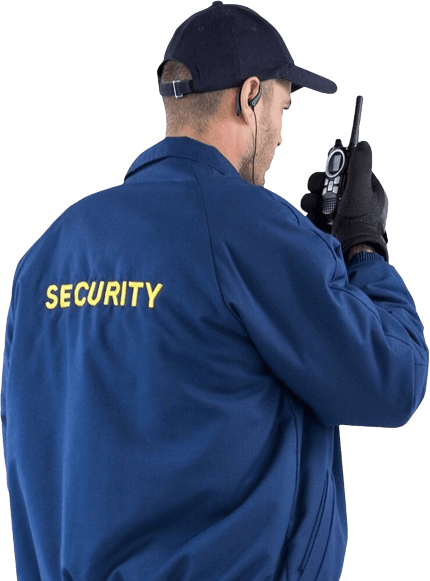
Security guards can provide an additional layer of protection for office buildings.
Their responsibilities may include:
- Monitoring entrances
- Managing visitor access
- Conducting security patrols
- Responding to incidents
- Assisting employees and visitors
A visible security presence often deters criminal activity while providing reassurance to employees.
Install CCTV Surveillance Systems
CCTV systems help businesses monitor activity throughout the workplace.
Cameras should be positioned to cover:
- Main entrances
- Reception areas
- Car parks
- Corridors
- Restricted zones
Modern surveillance systems provide valuable evidence if incidents occur and can help identify security vulnerabilities.
Secure Sensitive Areas
Not every area within an office should be accessible to all employees.
Restricted access may be appropriate for:
- Server rooms
- Executive offices
- Records storage areas
- Finance departments
- IT infrastructure rooms
Limiting access reduces the risk of theft, accidental damage, and unauthorised information access.
Protect Business Assets
Office environments often contain expensive equipment and valuable resources.
Businesses should:
- Maintain asset inventories
- Secure laptops and devices
- Lock storage cabinets
- Monitor equipment movement
Proper asset management helps reduce losses and improve accountability.
Improve Workplace Lighting
Good lighting contributes to both security and safety.
Well-lit areas help:
- Improve visibility
- Deter criminal activity
- Support CCTV monitoring
- Increase employee confidence
Pay particular attention to entrances, exits, car parks, and external walkways.
Train Employees on Security Awareness
Employees play a crucial role in maintaining office security.
Training should cover:
- Access control procedures
- Visitor policies
- Reporting suspicious activity
- Protecting company assets
- Emergency response procedures
A security-aware workforce can help identify and prevent potential incidents.
Develop Emergency Response Procedures
Every office should have clear procedures for responding to emergencies.
These may include:
Fire Emergencies
Evacuation plans and assembly points.
Medical Incidents
Emergency contacts and first-aid procedures.
Security Threats
Lockdown procedures and incident reporting systems.
Regular drills help ensure employees understand their responsibilities during emergencies.
Secure Office Car Parks
Car parks are often overlooked during security planning.
Risks may include:
- Vehicle theft
- Vandalism
- Unauthorised access
- Personal safety concerns
Businesses can improve security through:
- CCTV coverage
- Adequate lighting
- Security patrols
- Controlled vehicle access
Protect Confidential Information
Physical security and information security often overlap.
Businesses should ensure:
- Sensitive documents are stored securely
- Unused paperwork is shredded
- Computer screens are protected from public view
- Restricted information remains accessible only to authorised personnel
Protecting information is essential for compliance and reputation management.
Conduct Regular Security Assessments
Office security requirements change as businesses grow and evolve.
Regular assessments help identify:
- New vulnerabilities
- Operational changes
- Security gaps
- Improvement opportunities
Routine reviews ensure security measures remain effective over time.
The Benefits of a Layered Security Strategy
The most secure office environments use multiple layers of protection.
Physical Security
Locks, barriers, and secure access points.
Security Personnel
Professional guards and patrol officers.
Surveillance Technology
CCTV systems and monitoring solutions.
Employee Awareness
Training and security procedures.
When combined, these measures create a comprehensive office security strategy.
Conclusion
Office security is essential for protecting employees, safeguarding assets, and maintaining business continuity. By implementing strong access controls, visitor management procedures, CCTV monitoring, employee training, and professional security services, businesses can significantly reduce risks.
A secure office not only protects people and property but also creates a more productive and confident working environment.
Investing in office security today helps businesses prepare for the challenges of tomorrow.
About Us
FAQ
1. Why is office security important?
2. What are the most important office security measures?
3. Do small offices need security systems?
4. How can businesses improve office security?
Looking for a Reliable Security Company in London?
Choose PARAGON GUARDING UK Ltd for professional security services, SIA licensed security guards, and trusted security guarding solutions across London and the UK. Our experienced team provides dependable protection for businesses, construction sites, retail stores, and corporate environments.
Get in touch today to secure your business with expert security services.