Blog & News
- Home
- Blog
Reading Time: 4 mins
Retail Security: How to Prevent Shoplifting and Reduce Theft
Retail theft continues to be one of the biggest challenges facing store owners across the UK. From small convenience stores to large retail chains, shoplifting can significantly impact profits, employee morale, and customer experience.
According to industry reports, retailers lose millions of pounds each year due to theft, fraud, and inventory shrinkage. While no business can completely eliminate theft, implementing effective retail security measures can dramatically reduce losses and create a safer shopping environment.
In this guide, we’ll explore the causes of shoplifting and the most effective strategies businesses can use to prevent it.
Understanding the Impact of Shoplifting
Many business owners underestimate the true cost of shoplifting.
The financial loss extends beyond the value of stolen products. Retail theft can also result in:
- Increased insurance costs
- Higher security expenses
- Reduced profit margins
- Lower employee confidence
- Negative customer experiences
For small and medium-sized retailers, repeated theft incidents can have a significant impact on overall business performance.
This is why investing in retail security should be viewed as a long-term business protection strategy rather than an expense.
Why Shoplifting Happens
Understanding why theft occurs can help businesses develop more effective prevention strategies.
Common reasons include:
Opportunity
Many thefts occur simply because opportunities exist. Poor visibility, inadequate staffing, and weak security measures make stores easier targets.
Financial Motivation
Some individuals steal products for personal use, while others do so for resale and financial gain.
Organised Retail Crime
Retailers increasingly face organised theft groups that target high-value items and multiple locations.
Lack of Deterrence
Stores with little visible security presence often attract more theft attempts.
The Role of Retail Security
Retail security involves a combination of trained personnel, security procedures, and technology designed to reduce theft and maintain a safe environment.
Professional security measures help:
- Deter criminal activity
- Monitor suspicious behaviour
- Protect staff and customers
- Reduce inventory losses
- Improve incident response
A proactive approach is often far more effective than reacting after theft has occurred.
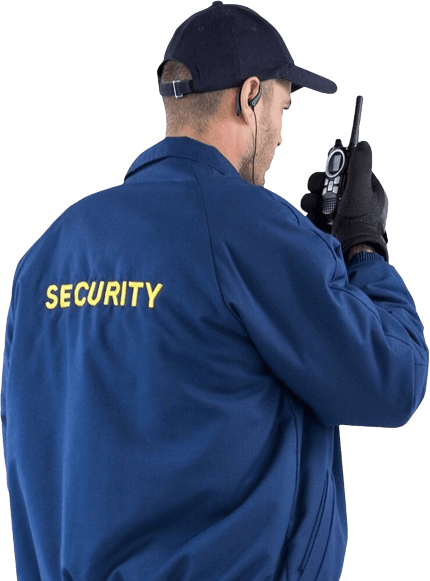
1. Employ Professional Retail Security Guards
One of the most effective ways to reduce shoplifting is by having trained security personnel on-site.
Security guards provide:
- Visible deterrence
- Customer assistance
- Suspicious activity monitoring
- Incident response
- Evidence collection
The presence of a professional security guard alone can significantly reduce theft attempts.
Many offenders avoid stores where they know security personnel are actively monitoring the premises.
2. Improve Store Layout and Visibility
Store design plays a major role in theft prevention.
Retailers should ensure:
- Clear visibility throughout the store
- Well-lit aisles
- Organised shelving
- Unobstructed sightlines
Hidden corners and poorly monitored areas often become targets for shoplifters.
Placing high-value items in visible locations can also reduce theft opportunities.
3. Install Effective CCTV Systems
Modern surveillance systems remain one of the most important retail security tools.
CCTV can:
- Monitor customer activity
- Record incidents
- Provide evidence
- Support investigations
Visible cameras also act as a deterrent and remind customers that security measures are in place.
However, CCTV works best when combined with active monitoring and professional security personnel.
4. Train Employees to Recognise Warning Signs
Store employees are often the first line of defence against theft.
Staff should be trained to identify suspicious behaviour such as:
- Avoiding eye contact
- Spending excessive time in one area
- Carrying oversized bags
- Frequently checking staff locations
- Attempting to conceal merchandise
Training employees to engage with customers professionally can discourage potential shoplifters.
Simple customer service interactions often make offenders feel observed and less likely to steal.
5. Use Access Control for Restricted Areas
Stockrooms, offices, and storage areas should remain secure at all times.
Access control measures may include:
- Key card systems
- Security codes
- Locked doors
- Visitor management procedures
Restricting access reduces both external theft and internal losses.
6. Conduct Regular Security Audits
Retail security strategies should be reviewed regularly.
Security audits help identify:
- Vulnerable areas
- Theft patterns
- Operational weaknesses
- Staffing gaps
Regular reviews ensure security measures remain effective as business needs evolve.
7. Implement Loss Prevention Policies
A clear loss prevention policy creates consistency across the organisation.
Policies should cover:
- Theft reporting procedures
- Employee responsibilities
- Security protocols
- Incident documentation
Having structured procedures improves accountability and supports long-term security goals.
Combining Technology and Human Security
The most effective retail security strategies combine technology with trained personnel.
Security guards provide human judgment and immediate response, while technology offers monitoring and evidence collection.
Together, they create a comprehensive security solution that protects people, products, and profits.
Businesses that rely solely on technology often miss opportunities for proactive intervention.
Creating a Safer Shopping Environment
Good retail security does more than prevent theft.
It helps create:
- A safer workplace
- Better customer experiences
- Increased employee confidence
- Improved business reputation
Customers are more likely to return to stores where they feel safe and comfortable.
Conclusion
Shoplifting remains a serious challenge for retailers, but effective retail security measures can significantly reduce theft and improve overall store safety.
By combining professional security guards, employee training, CCTV monitoring, and strong loss prevention procedures, businesses can protect their assets and create a more secure shopping environment.
Investing in retail security is not just about reducing losses—it’s about supporting long-term business success.
About Us
FAQ
1. What is retail security?
2. How can retailers prevent shoplifting?
3. Are security guards effective in retail stores?
4Why is shoplifting a major problem for retailers?
Looking for a Reliable Security Company in London?
Choose PARAGON GUARDING UK Ltd for professional security services, SIA licensed security guards, and trusted security guarding solutions across London and the UK. Our experienced team provides dependable protection for businesses, construction sites, retail stores, and corporate environments.
Get in touch today to secure your business with expert security services.