Blog & News
- Home
- Blog
Reading Time: 4 mins
School Security: How Educational Facilities Can Protect Students, Staff, and Visitors
Creating a safe learning environment is one of the most important responsibilities of any educational institution. Schools, colleges, academies, and training centres must provide an environment where students can focus on learning while staff, visitors, and parents feel secure.
Modern educational facilities face a variety of security challenges, including unauthorised access, vandalism, theft, safeguarding concerns, and emergency situations. As a result, school security has become an increasingly important part of educational management.
In this guide, we’ll explore the key components of effective school security and how educational facilities can better protect students, staff, and visitors.
Why School Security Matters
Educational facilities are unique environments because they accommodate large numbers of people throughout the day.
Schools must protect:
- Students
- Teachers
- Administrative staff
- Visitors
- Contractors
- School property
A strong security strategy helps reduce risks while supporting a positive and productive learning environment.
Common Security Challenges in Schools
Schools face several potential security risks, including:
Unauthorised Access
Individuals entering school grounds without permission can create safeguarding and safety concerns.
Theft
Schools often contain valuable equipment such as:
- Computers
- Tablets
- Interactive displays
- Sports equipment
- Educational resources
Vandalism
Graffiti and property damage can result in costly repairs and negatively affect the learning environment.
Anti-Social Behaviour
School grounds may attract unwanted activity outside normal operating hours.
Emergency Situations
Educational facilities must be prepared for medical emergencies, fires, and other unexpected incidents.
Implement Effective Access Control
Controlling access to school premises is one of the most important security measures.
Schools should consider:
- Secure entrances
- Electronic access systems
- Visitor sign-in procedures
- Controlled access points
Restricting access helps ensure only authorised individuals can enter the facility.
Visitor Management Procedures
Visitors should always be monitored while on school premises.
Best practices include:
- Visitor registration
- Identification checks
- Visitor badges
- Staff escorts when appropriate
A clear visitor management process helps improve accountability and safeguarding.
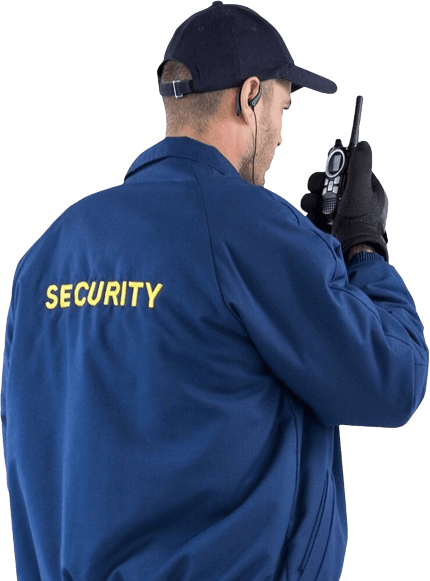
Use Professional School Security Guards
Security personnel can play an important role in maintaining a safe educational environment.
School security guards may:
- Monitor entrances and exits
- Manage visitor access
- Conduct patrols
- Respond to incidents
- Support emergency procedures
- Provide a visible security presence
Their presence often acts as a deterrent while reassuring staff, students, and parents.
Install CCTV Systems
CCTV surveillance can help schools monitor activity and improve security.
Cameras are commonly used to cover:
- Main entrances
- Reception areas
- Car parks
- Playgrounds
- Sports facilities
- Perimeter boundaries
Surveillance footage can assist investigations and help identify security concerns.
Secure the School Perimeter
The perimeter forms the first layer of protection.
Schools should regularly inspect:
- Fencing
- Gates
- Boundary walls
- Access points
Well-maintained perimeter security reduces opportunities for unauthorised access.
Promote Student Safety and Awareness
Security is not solely the responsibility of staff and security personnel.
Students should be encouraged to:
- Report concerns
- Follow school safety procedures
- Respect access restrictions
- Understand emergency protocols
Creating a culture of awareness contributes to a safer environment.
Train Employees on Security Awareness
Employees play a crucial role in maintaining office security.
Training should cover:
- Access control procedures
- Visitor policies
- Reporting suspicious activity
- Protecting company assets
- Emergency response procedures
A security-aware workforce can help identify and prevent potential incidents.
Prepare for Emergencies
Every educational facility should have clear emergency response procedures.
These should address:
Fire Emergencies
Evacuation routes, assembly points, and regular drills.
Medical Incidents
First-aid procedures and emergency contact systems.
Security Threats
Lockdown procedures and communication plans.
Regular training helps ensure staff and students know how to respond effectively.
Protect School Property
Educational institutions often invest heavily in technology and learning resources.
To reduce theft and damage, schools should:
- Secure equipment when not in use
- Restrict access to storage areas
- Maintain asset inventories
- Conduct regular inspections
Protecting school assets helps reduce costs and support uninterrupted learning.
Monitor Activity Outside School Hours
Many incidents occur when schools are closed.
Out-of-hours security measures may include:
- Mobile patrols
- Alarm systems
- CCTV monitoring
- Security inspections
Protecting the site outside school hours helps prevent vandalism and trespassing.
The Importance of a Layered Security Approach
Effective school security helps:
- Protect students and staff
- Reduce security incidents
- Improve safeguarding
- Protect valuable assets
- Build confidence among parents and visitors
- Support a positive learning environment
Security measures should enhance education rather than disrupt it.
Benefits of Strong School Security
Effective school security helps:
- Protect students and staff
- Reduce security incidents
- Improve safeguarding
- Protect valuable assets
- Build confidence among parents and visitors
- Support a positive learning environment
Security measures should enhance education rather than disrupt it.
Conclusion
School security is essential for creating a safe, supportive, and productive learning environment. By implementing strong access controls, visitor management procedures, CCTV monitoring, emergency planning, and professional security services, educational facilities can significantly reduce risks.
A proactive approach to school security helps protect students, staff, visitors, and property while supporting the educational mission of the institution.
Investing in security today helps create a safer future for everyone on campus.
About Us
FAQ
1. Why is school security important?
2. What are the most effective school security measures?
3. Do schools need security guards?
4. How can schools improve student safety?
Looking for a Reliable Security Company in London?
Choose PARAGON GUARDING UK Ltd for professional security services, SIA licensed security guards, and trusted security guarding solutions across London and the UK. Our experienced team provides dependable protection for businesses, construction sites, retail stores, and corporate environments.
Get in touch today to secure your business with expert security services.